
The End of Passwords: My 90-Day Journey with Passkeys
11/18/20254 min read
Introduction to Passkeys
In recent years, the landscape of online security has evolved significantly, leading to the emergence of passkeys as a modern solution to the limitations posed by traditional passwords. Passkeys are cryptographic representations of authentication credentials that replace passwords with a more secure and convenient method of user verification. Unlike conventional passwords, which can be forgotten or stolen, passkeys are designed to be resilient against common cyber threats such as phishing, brute force attacks, and credential stuffing.
The mechanics of passkeys involve generating a unique key pair for each user account, consisting of a public key and a private key. The public key is stored on the server, while the private key remains on the user's device. When accessing an account, the server sends a challenge that the user's device must sign with the private key, thereby proving ownership without transmitting sensitive information over the internet. This approach drastically reduces the risks associated with password-based authentication.
As the digital environment continues to prioritize security, malicious actors increasingly target passwords, prompting a shift toward more robust alternatives like passkeys. This growing trend can be observed across various platforms and services, with major tech companies leading the charge to promote and implement passkey solutions. My motivation for embracing passkeys stems from a desire for enhanced security and ease of use, particularly given the inconvenience and anxiety associated with forgotten passwords.
To further explore this innovative technology, I have embarked on a 90-day challenge to switch exclusively to passkeys. This journey not only aims to assess the practical implications of living without passwords but also seeks to evaluate the overall user experience of this emerging authentication method. Through this undertaking, I hope to share insights and knowledge about the advantages and challenges of passkeys in our increasingly digital world.
Setting Up Passkeys: The Transition Process
The transition from traditional passwords to passkeys represents a pivotal shift in how we manage online security. To begin this journey, the first step is selecting a robust password manager or a platform that supports passkeys. Numerous password managers, such as 1Password, Bitwarden, or LastPass, now offer integrated solutions for passkeys, promoting a seamless experience. It is crucial to ensure that the chosen service not only supports passkeys but also provides a user-friendly interface and reliable security features.
Once a password manager is selected, the initial setup process may involve creating a master password, which can later be replaced with passkeys for ease of access. As someone new to this method, I found myself navigating through the setup prompts, which typically guided me through enabling passkey authentication for various accounts. This often involved logging into existing accounts and selecting passkeys as the preferred login method. Each website's transition process might vary, so being patient is key as some services may require additional verification steps.
The migration of existing accounts presents its own challenges. For example, some platforms may not yet support passkeys, necessitating a temporary coexistence of traditional passwords alongside passkeys. In such cases, it is advisable to keep a record of your current passwords until all accounts are transition-ready. Additionally, users may face obstacles like browser compatibility while accessing sites that utilize passkeys. Therefore, it's essential to ensure that your web browser is updated to utilize the latest security features. Through proactive planning and adaptation, individuals can mitigate potential issues effectively and fully embrace the benefits and security of passkeys.
The Experience: 90 Days of Using Passkeys
Over the course of my 90-day journey utilizing passkeys, I encountered a unique blend of convenience and challenges that reshaped my approach to digital security. Initially, the transition from traditional passwords to passkeys felt somewhat daunting. My daily routine began each morning by accessing various accounts, from email to social media, using biometric authentication through my devices. The ease of use was evident; with a simple touch or glance, I was logged in seamlessly, highlighting one of the most significant advantages of passkeys: accessibility.
However, this journey did not come without its hurdles. While the initial setup for passkeys across multiple devices was straightforward, I discovered that inconsistent device compatibility could pose a challenge. At times, accessing certain accounts from a non-registered device led to a frustrating experience, often requiring backup methods that detracted from the overall convenience I had become accustomed to. Nonetheless, the security benefits of using passkeys soon outweighed these occasional frustrations, as the inherent risks associated with traditional passwords—including phishing and brute-force attacks—were notably reduced.
Comparatively, my experience revealed that passkeys provided a more cohesive security environment. Unlike traditional passwords, which often necessitate frequent changes and the potential for reuse across different sites, passkeys fundamentally eliminated this issue. I found myself more secure in my online activities, knowing that sensitive information was protected by advanced cryptographic methods. Furthermore, the sound design of passkeys fostered a greater sense of trust in my interactions with various platforms.
Overall, the 90-day experience with passkeys transformed my perception of digital security, highlighting both the substantial ease of use and the limitations that can arise in real-world applications. This journey was reflective of an evolving landscape in cybersecurity, underscoring the potential of passkeys to shape the future of secure online access.
Conclusion: The Future of Authentication
In retrospect, the past 90 days utilizing passkeys have illuminated the shifting landscape of digital security and authentication. Initially, the concept of transitioning from traditional passwords to passkeys seemed daunting; however, the experience has been largely positive, demonstrating several advantages over conventional methods. First and foremost, passkeys provide a significantly enhanced level of security. By eliminating the need for users to remember complex passwords, the risks associated with password reuse and easy-to-guess combinations diminish drastically.
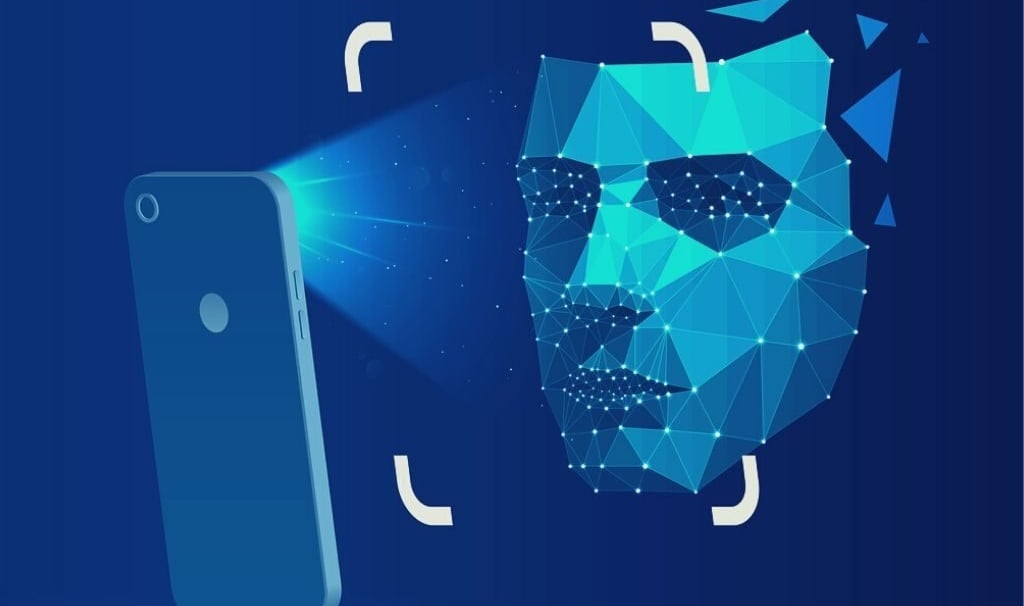
Moreover, the user experience has greatly improved. The simplicity of biometric authentication—such as fingerprints and facial recognition—streamlines access to various platforms without the additional step of entering a password. This not only enhances convenience but also encourages users to adopt safer practices. During this journey, I noted a decrease in frustration related to password management, which often involves constant resets and reminders.
However, it is essential to acknowledge the potential limitations inherent in this new system. Transitioning to passkeys requires a compatible ecosystem, and not all services currently support this modern authentication method. Furthermore, there exists a learning curve for users who are accustomed to traditional passwords. As we look to the future, the successful proliferation of passkeys as a mainstream alternative will depend heavily on wider adaptation by both users and service providers.
Overall, the viability of passkeys as a long-term substitute for passwords appears promising. The continued evolution of digital security methodologies, combined with ongoing advancements in technology, could lead to even more robust authentication solutions. I encourage readers to consider embracing this innovative approach to authentication and to stay informed about the ever-advancing tools available to enhance their digital security.


